Woodworking: How Can We Modernize Production Without Losing Traditional Craftsmanship?

Woodworking: How Can We Modernize Production Without Losing Traditional Craftsmanship?

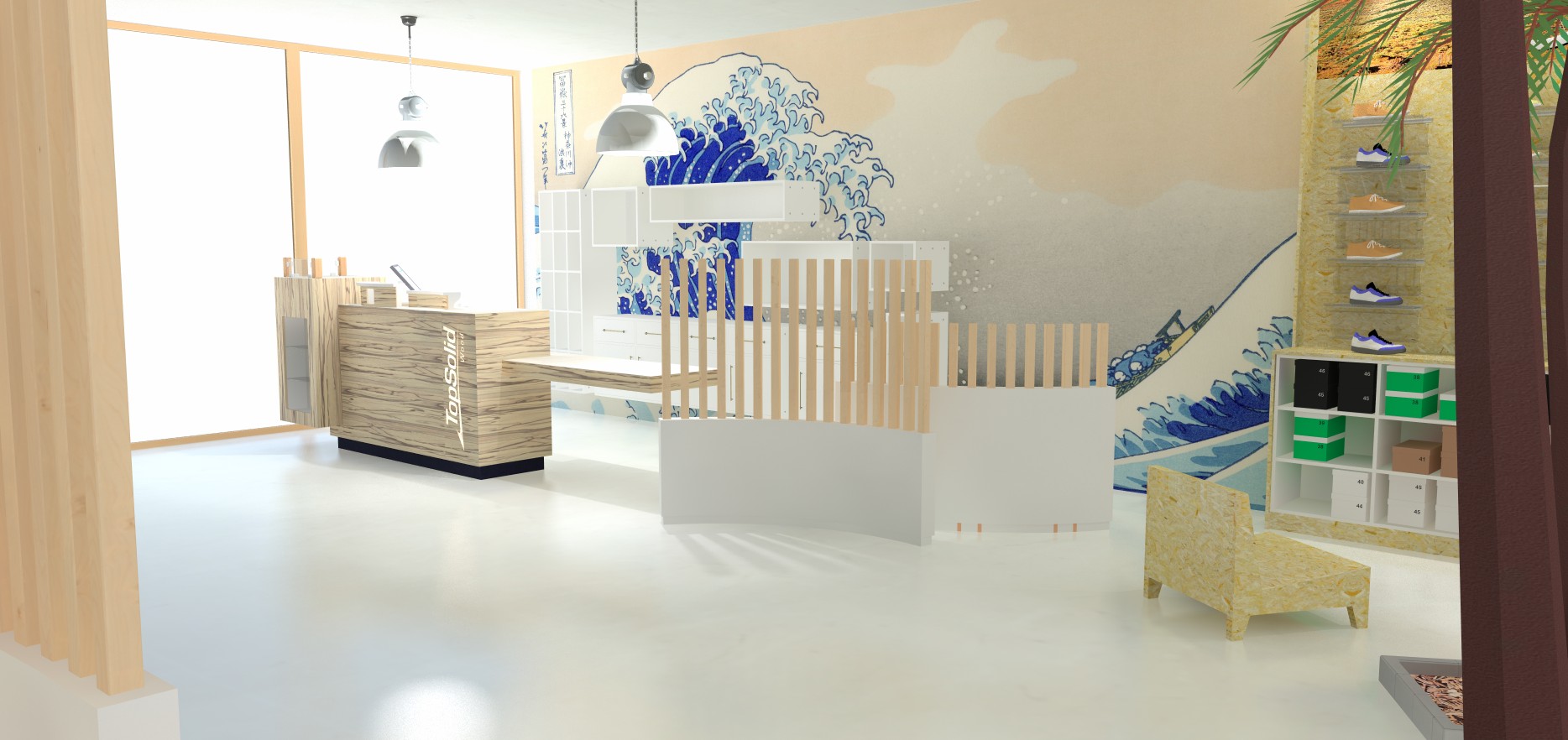
Photo credits: Design Bois (69), a specialist in high-end interior design, as well as the design and fabrication of custom woodworking solutions, Stéphane Couchet©

In woodworking shops, the digital transition brings hope… as well as raising concerns. Caught between the need to remain competitive and the desire to preserve a craft that has sometimes been passed down through generations, artisans and small businesses in the sector are trying to find their way. Yet technology and tradition are not incompatible. When used thoughtfully, digital tools can even enhance professional expertise without compromising it. Here’s why.

Understanding Digital Resistance to Better Support It

The reluctance of woodworking professionals toward digitization is not simply a matter of being resistant to change. It stems from fundamental concerns about the very essence of the trade. And for good reason: woodworking is a sensory activity that engages:

  • touching it to assess its surface condition,
  • the sense of smell that recognizes each scent,
  • the trained eye that reads the grain and anticipates how the material will behave.

How could a screen ever replace such skill and such sensations?

This fear of dehumanization goes hand in hand with a fear of standardization. Yet every artisan cultivates methods that are unique to them and that have made their reputation. The introduction of general-purpose CAD/CAM tools, designed for the metal or plastics industries, has often reinforced this sense of mismatch, since wood has retained all its nobility and unique characteristics, which vary from one species and one plank to another.

The economic argument also carries significant weight for small businesses. Between the initial investment, staff training, and the time it takes to adapt, the return on investment seems uncertain. Not to mention the challenge of passing on the craft: how can you train an apprentice in artisanal excellence if they spend more time in front of a computer than at the workbench?

These concerns deserve to be heard, as they highlight real risks. But they also obscure the opportunities offered by digitalization designed specifically for the woodworking industry.

>>> See also – How the Digital Transition Is Transforming the World of Industry

When Digital Technology Fuels Artisans’ Creativity

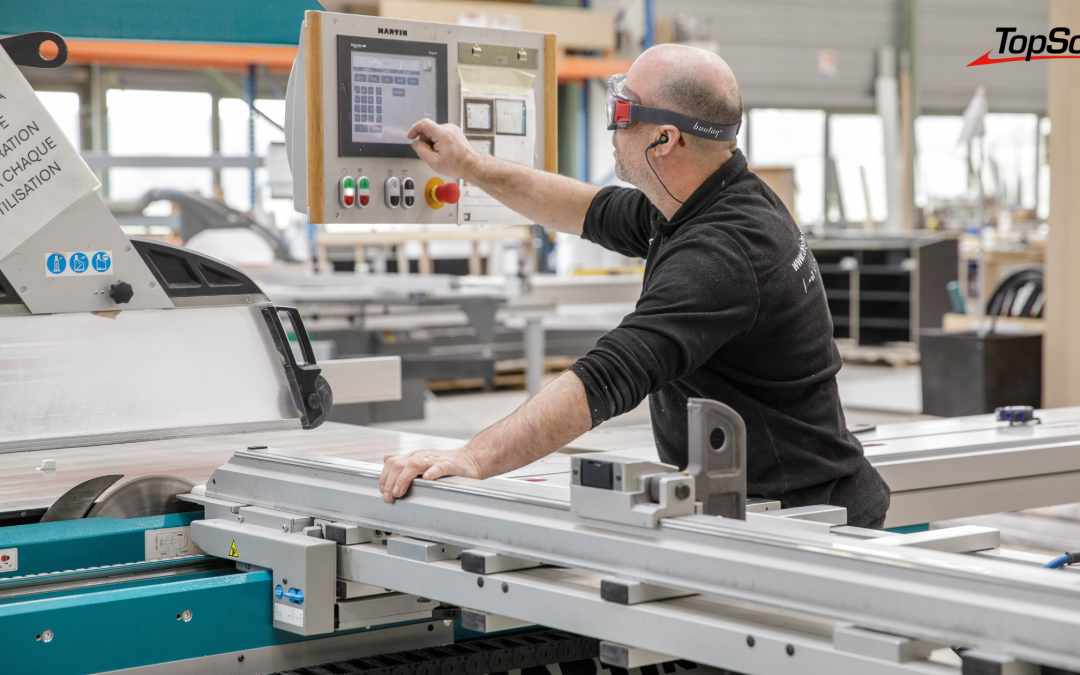
Far from replacing human expertise, the right digital tools act as amplifiers of skills. They handle repetitive tasks—such as flow rate calculations, generating technical drawings, and optimizing cut lists—to free up time for what truly adds value: creative design, hand-finishing, and personalized customer advice.

The precision offered by CAD/CAM even opens up new creative horizons. For example, assemblies of a complexity that would be nearly impossible to achieve manually are now within reach. 3D simulation allows designers to explore bold shapes and test different variations without wasting raw materials. A carpenter can present a client with a realistic visualization of the project, integrated into its future environment, which facilitates approval and reduces misunderstandings.

Intelligent raw material management also yields significant benefits. Algorithms for optimizing cutting plans take into account the grain direction, defects to avoid, and offcuts to be reused. Furthermore, this streamlining does not result in uniform production. On the contrary, it allows the finest boards to be reserved for premium pieces and optimizes the use of each log!

The example of Entrawood, a specialist in high-end office furniture, illustrates this successful synergy. The company modernized its production process with TopSolid’Wood while retaining its traditional woodworking methods for finishing. The result: design times cut in half and an increased ability to customize each order according to architects’ specific requests.

>>> See also – TopSolid and Entrawood: A Technological Revolution in Office Furniture

TopSolid’Wood: A business-oriented approach that honors the artisanal tradition

TopSolid’Wood’s strength lies in its design, which is specifically tailored to the woodworking industry. Unlike general-purpose CAD/CAM solutions, the software natively incorporates the industry’s specific requirements and terminology, from preliminary design through to manufacturing.

In practice, this business-focused approach translates into dedicated features that appeal to professionals:

  • managing traditional wood joints,
  • taking into account the specific properties of materials (panels, solid materials),
  • integration of standard hardware components available on the market.

The system allows users to design in 3D while automatically generating manufacturing drawings, bills of materials, and machine programs tailored to the workshop’s equipment.

One of the solution’s major strengths is the digital continuity it offers. Data flows seamlessly between design, processes, and manufacturing. This fluidity eliminates the need for re-entry—which is both error-prone and time-consuming—while still allowing for human intervention where artisanal expertise adds value.

The tool was also designed to allow for a gradual learning curve, enabling each company to move forward at its own pace. A very small business can therefore start by digitizing only its quotes and cutting plans, then move on to 3D design and the generation of machine programs at a later stage. This step-by-step skill development respects the culture of each workshop without imposing a sudden disruption to established—and proven—work methods.

The Keys to a Successful Digital Transition

Before getting started, it is essential to emphasize the importance of involving teams from the planning phase onward. Their participation is indeed relevant and indispensable, since operators are the ones most directly affected by changes to their processes. Furthermore, this concept of co-creation offers a significant advantage: it transforms resistance into ownership.

As for the solution’s rollout, it begins with identifying everyday pain points: time-consuming quotes, measurement errors, and rough material optimization. Digitizing these non-value-added tasks first yields immediate benefits that make it easier to gain buy-in.

Training, for its part, must be grounded in practical experience. Rather than theoretical exercises, working directly on ongoing projects allows people to learn by doing. Early successes and initial insights are worth more than any amount of talk!

Digital modernization does not spell the end of woodworking craftsmanship. On the contrary, by freeing professionals from repetitive technical tasks, it allows them to refocus on what truly sets them apart: creativity, expert advice, and exceptional finishes.

Furthermore, companies that successfully navigate this transition do not abandon their culture; rather, they enrich it with tools that greatly enhance its potential. At a time when customers are seeking both personalization and responsiveness, this combination of traditional expertise and digital efficiency is becoming a decisive competitive advantage.

Convinced? Contact us for a demo.
Transforming Craftsmanship and Woodworking with CAD/CAM Software

Transforming Craftsmanship and Woodworking with CAD/CAM Software

While machining is an essential technique at the heart of woodworking, technology allows us to preserve its precision—and even refine it. This is why the use of CAD/CAM (Computer-Aided Design and Manufacturing) software is so important; it brings craftsmanship into the realm of industry without compromising the essence of time-honored expertise. Let’s take a closer look at the coexistence of tradition and modernity and at how digital technology is revitalizing woodworking trades.

What is woodworking?

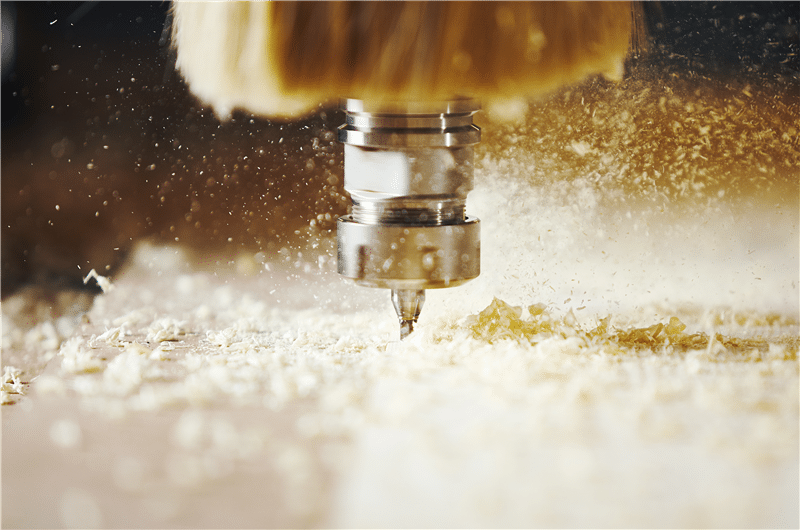
Machining involves the use of machines and tools to cut materials such as metal, plastic, or wood. This technique is a subtractive process, meaning that machining shapes parts by removing successive layers of material. The goal is to give the part a very specific shape. The cut parts are then used to manufacture objects or assemblies of all sizes, ranging from accessories to furniture, architectural components, and interior design modules.

In terms of application, wood machining requires adjusting the cutting speed based on the type of wood product or even the species of wood being machined, although the process is generally fast. The goal is to achieve a clean cut and prevent the wood from burning. For example, machining a softwood such as fir will require a rotational speed of over 18,000 revolutions per minute, depending on the diameter of the tool used.

The Benefits of Using Wood Cutters

Milling cutters designed for woodworking offer enhanced precision, enabling clean and consistent cuts. They deliver superior cut quality, ideal for decorative or functional profiles. Thanks to their design, they provide reliable repeatability, ensuring consistent results from one piece to the next. Using these cutters also increases production efficiency by reducing machining times and labor requirements. In short, they are essential for producing high-quality parts while improving workshop productivity.

All of these advantages, when combined, make wood machining a particularly reliable technique compared to traditional methods. The latter do, in fact, have certain limitations, particularly in terms of time constraints, efficiency, and complexity. The goal here is to optimize the manufacturing process to make the work of artisans and manufacturers easier.


The TopSolid Suite of CAD, CAM, PDM, and ERP Solutions

When CAD/CAM Software Transforms Woodworking

Support for Wood Machining in CAD/CAM Software

Woodworking is getting a boost from CAD/CAM software, which allows users to create detailed and realistic 3D models. These tools also make it possible to integrate design and manufacturing by supporting various key steps:

  • visualizing the final piece before starting the work;
  • correcting design errors before manufacturing begins;
  • taking into account the various factors related to the means of production;
  • calculation and optimization of flow rates to better estimate the associated costs.

Planning ahead is essential to ensure the effectiveness and accuracy of your projects!

The Benefits of CAD/CAM Software for Woodworking

From a practical standpoint, CAD/CAM software also offers a number of advantages for manufacturing parts and objects with confidence. It automates the generation of toolpaths, incorporates simulation to avoid collisions or unmachined areas, and optimizes cutting parameters (speed, feed rates, depth). This level of preparation ensures production that closely matches the model, with excellent surface quality and a smoother process. These benefits extend to all phases of manufacturing.

A high degree of design freedom

The use of CAD/CAM software opens up a wide range of possibilities right from the design phase. Simply put: anything is possible and can be visualized down to the smallest detail. This flexibility also allows for highly precise adjustments to optimize production as much as possible. Whether it’s engraving, 2D cutting, or 3D and even 5-axis machining, CAD/CAM makes it possible to create sophisticated shapes that are difficult to produce manually in a short amount of time.

Increased efficiency and productivity

On the other hand, although there are many creative possibilities, the software is so user-friendly that the design process becomes quick and efficient. This stage of the creative process can therefore be handled in-house, saving both time and money.

Work done with millimeter precision

Using CAD/CAM software also means anticipating absolutely every parameter before production begins. As a result, the risk of error is significantly reduced, while the precision and repeatability of manufacturing operations are enhanced.

The case study from Entrawood, a South African office furniture specialist, illustrates the benefits of an integrated wood CAD/CAM system: a 65% reduction in defects and large-scale customized production. Explore this case study and see for yourself.


How can you integrate CAD/CAM software with your woodworking machines?

TopSolid’Wood is a one-of-a-kind software solution on the market. Its parametric, integrated CAD/CAM system meets the specific needs of woodworking.


Specially designed for craftspeople, the tool takes all your machining challenges into account, starting right from the modeling phase. It offers powerful, customizable features that adapt to your unique expertise while building on your daily work.

Would you like to learn more about TopSolid’Wood? Contact us!

TopSolid’Wood: The Comprehensive, Integrated Solution for the Wood Industry

TopSolid’Wood: The Comprehensive, Integrated Solution for the Wood Industry

TopSolid’Wood stands out as the premier integrated software solution for the woodworking industry. Developed specifically to meet the needs of craftsmen, interior designers, and furniture manufacturers, this software suite offers optimized management from design through manufacturing. Thanks to its advanced features and seamless integration, TopSolid’Wood enables significant productivity gains and ensures impeccable quality at every stage of the process.

A powerful tool for design and manufacturing

Design and manufacture without interruption

One of TopSolid’Wood’s key strengths lies in its seamless integration between design and manufacturing. Design 3D parts while taking machining constraints into account from the very beginning of the process. This integration helps prevent production errors and significantly reduces lead times, ensuring maximum efficiency.

Take advantage of business features specific to the wood industry

TopSolid’Wood offers a wide range of industry-specific features tailored to the diverse needs of the woodworking industry, enabling users to maximize their productivity and precision. Here are a few examples:

  • Profiling and counter-profiling: ranging from simple to complex on your wood pieces, with attractive and functional finishes and precise adjustments.
  • Grooving: for reinforced joints or decorative elements is simplified.
  • Rebating: for precise joints and finishes along the edges of workpieces.
  • Assembly using dowels, eccentrics, screws, or mortise-and-tenon joints: to ensure that your assembly is completed according to your needs, without compromising on quality.
  • Edge and surface veneering: for clean, attractive finishes.

These features allow you to design complex products with a high degree of precision, while fully adhering to your manufacturing constraints.

Optimize your production and save time

With TopSolid’Wood, craftsmen benefit from increased productivity thanks to automated tools for creating ISO programs for CNC machining centers. This enables fast, error-free manufacturing, thereby improving the workshop’s overall efficiency.

Tools Tailored to the Needs of Interior Designers

Take advantage of a graphical space configurator

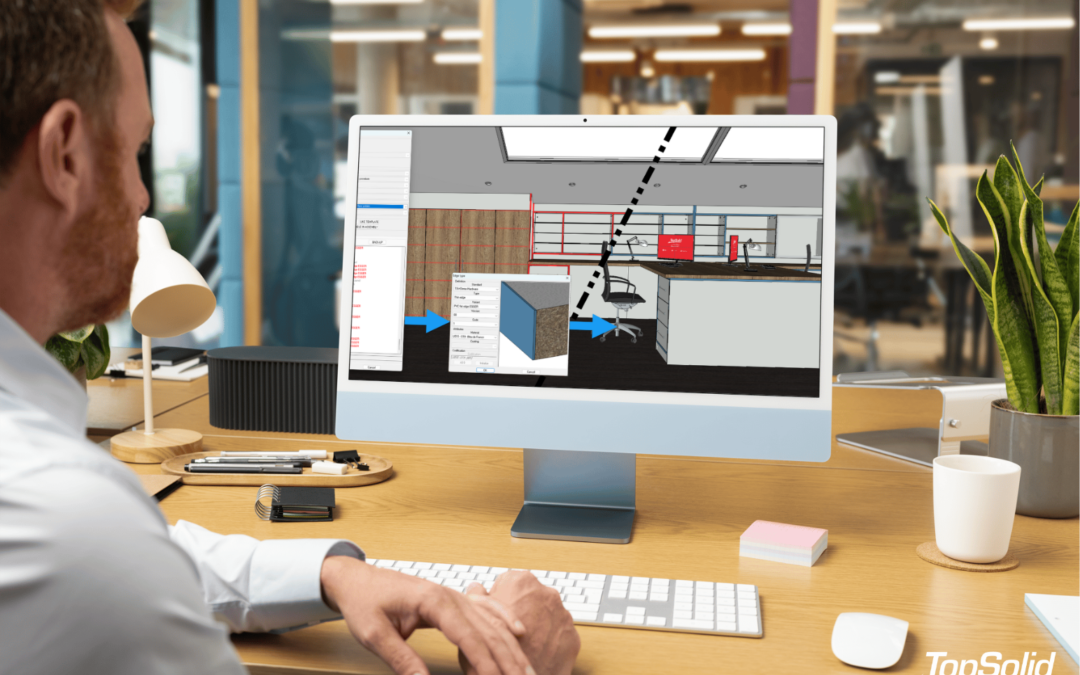
TopSolid’Wood also includes a graphical layout configurator—TopSolid’Planner—that allows sales engineers to create and visualize interior layouts in real time with their clients. This makes it easier to visualize projects and make decisions, offering an enhanced and interactive customer experience.

Leverage fully customizable component libraries

Interior designers can create and customize libraries of hardware, subassemblies, and furniture. These components can be used to speed up the design process and ensure consistency across all projects, thereby optimizing both quality and speed of implementation.

A solution designed for manufacturers

Easily manage your large assemblies

TopSolid’Wood offers exceptional performance for managing large assemblies and creating drawings. Furniture manufacturers, for example, can design complex projects involving thousands of parts while maintaining high precision and reducing production lead times.

Simulate and optimize your products in real time

TopSolid’Wood’s kinematic and dynamic simulation capabilities make it possible to verify the functionality of assemblies before manufacturing. This allows potential problems to be identified and corrected early on, ensuring a production process free of surprises and consistent quality.


The TopSolid Suite of CAD, CAM, PDM, and ERP Solutions

Comprehensive and Effective Support

Make sure to capitalize on your expertise

TopSolid’Wood allows companies to leverage their expertise by creating standards and custom libraries. This enables you to standardize your design and manufacturing processes, thereby improving production efficiency and the quality of your finished products​​.

Take advantage of ongoing training and support

TopSolid SAS, of course, offers ongoing training and technical support for all users of the software suite. Whether for new employees or your existing teams, regular workshops and training sessions help you master the software’s advanced features and optimize your machining methods. By ensuring that you use TopSolid’Wood to its full potential, you contribute to greater efficiency in your production.

TopSolid’Wood has enabled many companies in the woodworking industry to reach new heights in productivity and efficiency. Feedback from users shows a significant increase in production capacity and improved management of human and material resources. By freeing up machine time and optimizing processes, you can handle more orders and respond more quickly to your customers’ requests​​.


TopSolid’Wood is the ideal solution for craftsmen, interior designers, and wood furniture manufacturers. With its specialized features, seamless integration between design and manufacturing, and optimization tools, TopSolid’Wood helps meet the high standards of the woodworking industry while improving productivity and product quality. To learn more about TopSolid’Wood’s capabilities and how it can transform your manufacturing processes, request a demo today!

Success Story: TopSolid by Structa

Success Story: TopSolid by Structa

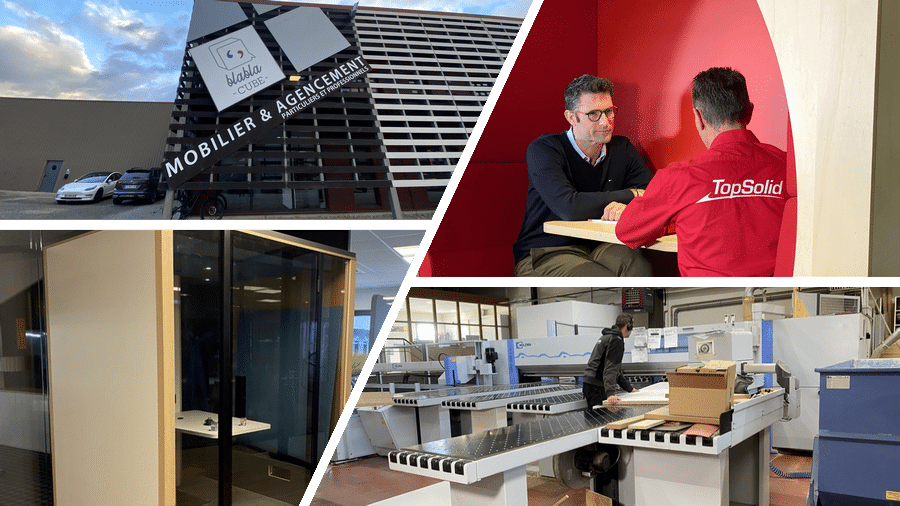
Structa is a 6500 square-foot workshop situated in the heart of the Drôme region, specializing in custom-made furnishings. Since 1981, the company has dedicated its expertise to designing and manufacturing furniture tailored to its customers’ needs. In 2006, they integrated TopSolid’Wood software into its design process to optimize it.

In this interview, we talk with Christian Salomon, CEO of Structa, whom TOPSOLID proudly supports in his projects.

Structa core values: collaboration, transparency, and proximity

Structa is a layout company with around forty staff members, specialized in creating bespoke furniture and fittings for offices, residences, and hotels. The company’s philosophy centers around creative teamwork to best meet customer requirements. Projects are developed collaboratively with the customer from start to finish. Their latest innovation is the design of the Blabla-Cube, a self-contained acoustic pod, designed to create an ideal environment for quiet work.


Structa can boast of having strong values such as networked organization, transparency at all levels, and a commitment to local projects, all underpinned by over four decades of experience. Christian Salomon explains: “We are dedicated to use locally sourced materials. This principle extends to our software choices as well. TOPSOLID is an excellent example: it’s a French software company, based in the Rhône-Alpes region, aligning perfectly with our preference for collaborating with local businesses”.

Structa and CAD/CAM

From design to installation, Structa has consistently upheld its commitment to delivering quality work, leveraging the latest technological innovations in the industry. Since the purchase of its first license in 2006, members of the project and product design departments have been working with TopSolid’Wood software to optimize furniture design and assembly. Fifteen years later, the company, still under the guidance of Christophe Cutillas, a TopSolid’Wood business engineer, has not changed its mind. Christian Salomon cheerfully remarks: “We started with them, and we’re still with them today”.

TopSolid, an added value for Structa’s business

The TopSolid’Wood solution delivers substantial benefits to various Structa departments, from design to production.

Real-time updates for the design office

The members of the design office responsible for designing, cutting, and programming the machines, use TopSolid to manage the export of their projects. The associative solution guarantees that any modification to a project item automatically updates the associated data. “The advantage of TopSolid’Wood is that when you modify something on the original 3D model, our software’s associativity enables real-time alterations and updates in the project.” explains Thomas Levignac, Structa’s design manager. This will undoubtedly enhance the company’s productivity.

Time-saving and increased autonomy in production

The benefits of TopSolid are also visible on the production side. “By using TopSolid in the Production department, we are much more autonomous, we achieve significant time savings when searching for information since the software contains almost all the necessary data” testifies Pierre Vessely, the company’s assembly coordinator. TopSolid facilitates a strong connection between the design and production departments. For example, the software enables fitters to understand in detail the design of a product so that they can assemble it faster and independently.

A major advantage for recruitment

TopSolid also has a role to play in recruitment. “At Structa, we have a lot of apprentices and work-study students” explains Christophe Salomon. “TOPSOLID provides us with temporary licenses for them and more and more newcomers already know TopSolid. It is a huge time saver.”

The range of CAD, CAM, ERP and PDM TopSolid solutions

International development possibilities

Structa has been booming for several years and plans to expand internationally. This is what its CEO hopes: “We will probably set up industrial units abroad to get closer to our foreign customers.”

Structa will logically form a partnership with TOPSOLID to deploy these new industrial units. We look forward to contributing to this exciting project!

How do you manage a large interior design project using a CAD/CAM software?

How do you manage a large interior design project using a CAD/CAM software?

Carrying out all the work involved in site layout is a part of the daily life of interior designers. As a decoration and finishing specialist, he is called upon to manage projects of all sizes and to work from interior design concepts and execution drawings. CAD/CAM software is a valuable ally for large and complex projects. Let’s find out why together.

What do we mean by a large-scale project?


An interior design project is said to be “large-scale” when it is complex, when the surfaces involved are large and when several sectors of activity are involved. In general, designing surfaces larger than 50 m² is considered to be a large-scale job.

Examples of large-scale interior design projects

Designing a complete Hotel is considered to be a large-scale project. A hotel is not only made up of rooms, but also of a lobby, a restaurant, a bar and corridors, which must be harmoniously arranged to form an aesthetic whole. The nautical industry is also strongly affected by large-scale interior design and mainly the luxury yacht market. There are even super-yachts over 150 meters long with several thousand square meters of living space including spas, swimming pools, libraries and a large amount of nesting furniture. The arrangement of such a complicated project is usually entrusted to companies specializing in luxury naval carpentry.

The need for collaborative work

Large-scale interior design projects, such as those mentioned above, require the use of different but complementary professions. Specialized people with valuable expertise will thus be brought together to work in a coordinated manner. But when it comes to collaborative work, you need the right tools. Like BIM (Building Information Modeling), which consists of having employees working on a digital model, a large-scale interior design project can rely on modern work tools such as CAD/CAM software.


TopSolid CAD/CAM Product Range

How can CAD/CAM be involved in a large-scale interior design project?


A CAD/CAM software allows you to design parts in 3D model (CAD), but also includes the manufacturing part (CAM). It is therefore essential for companies that manufacture furniture using numerical control machines based on drawings. However, some software, such as TopSolid, offers other features which are particularly suitable for interior design projects.


TopSolid’Wood software and work by areas


One of the significant features of TopSolid’Wood is that it allows the user to work in several workspaces or areas. The concept is as follows: from a master file, the user will be able to create several workspaces in which the interior design of each area will be created. Once the design of each area is completed, the user can then generate a final assembly from the files.


Advantages of the “master” file


Working with a master file is convenient. But its main advantage is probably the flexibility it provides by facilitating file update processes. In addition, the TopSolid’Wood master file provides an overview using a construction tree that provides access to all workspaces. This allows you to make changes in order to define spaces even more quickly. In addition, TopSolid’Wood allows you to create a master file from the CAD files from other software.


(more…)